Public streets
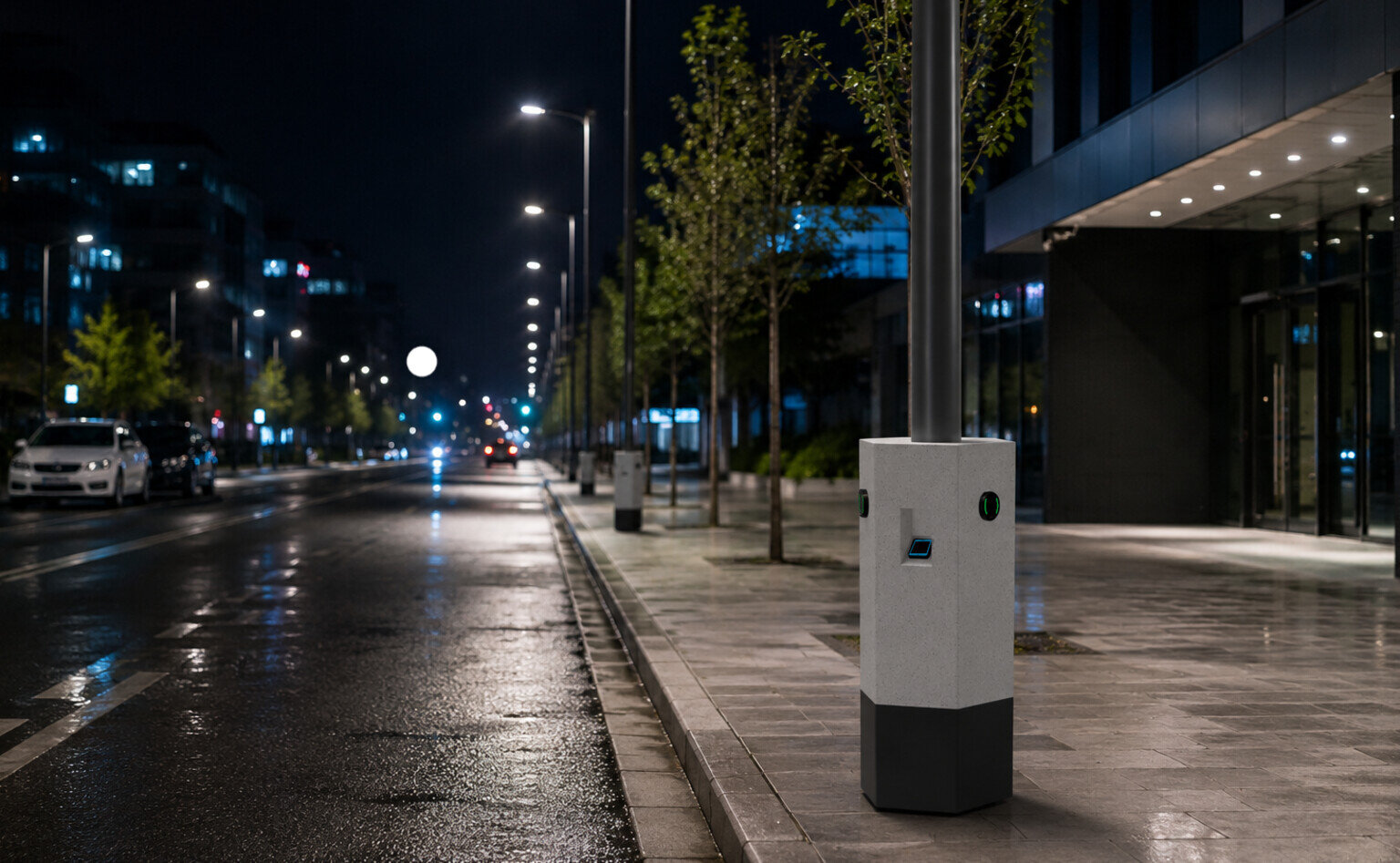
Publicly accessible points integrated into street furniture.



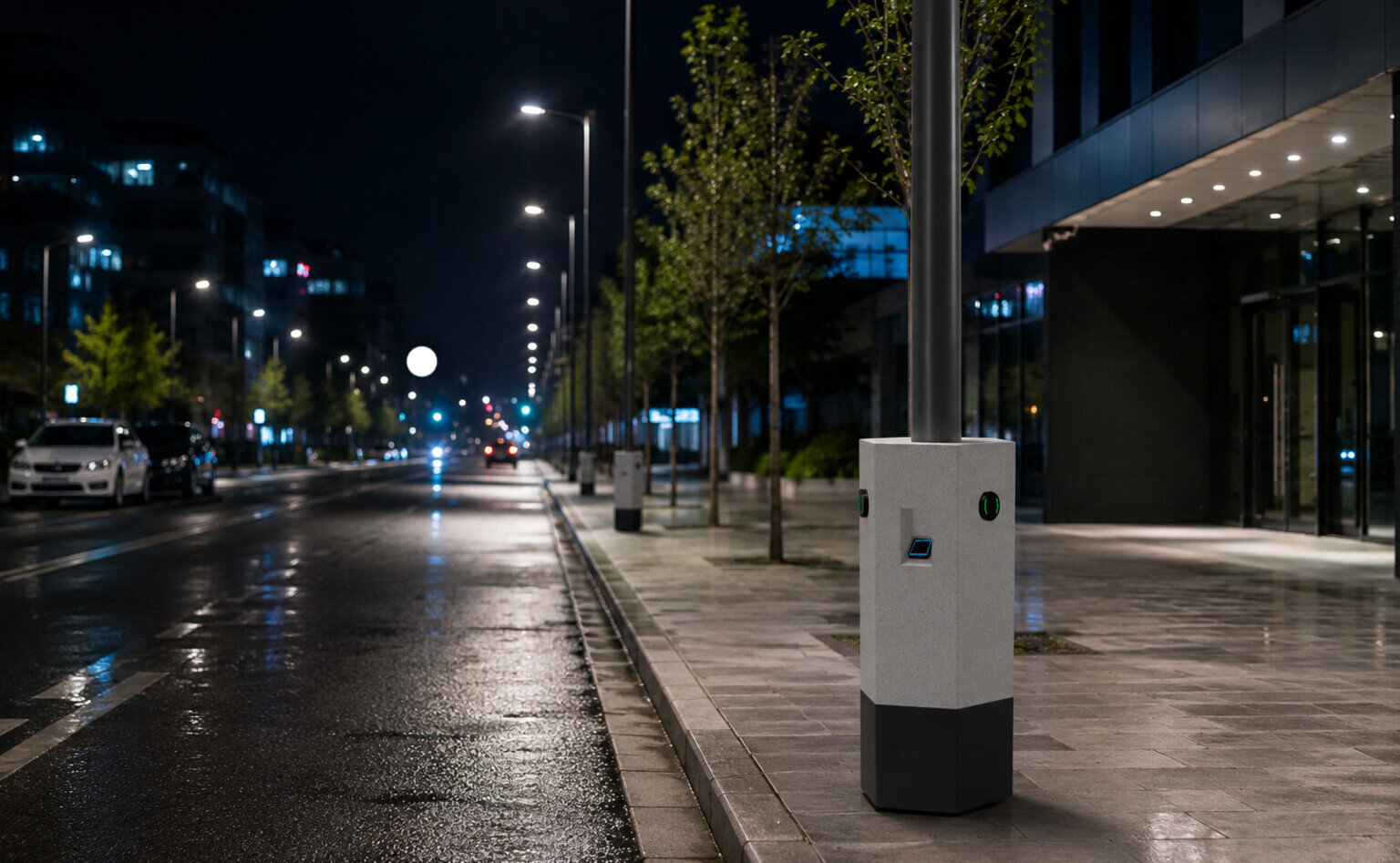
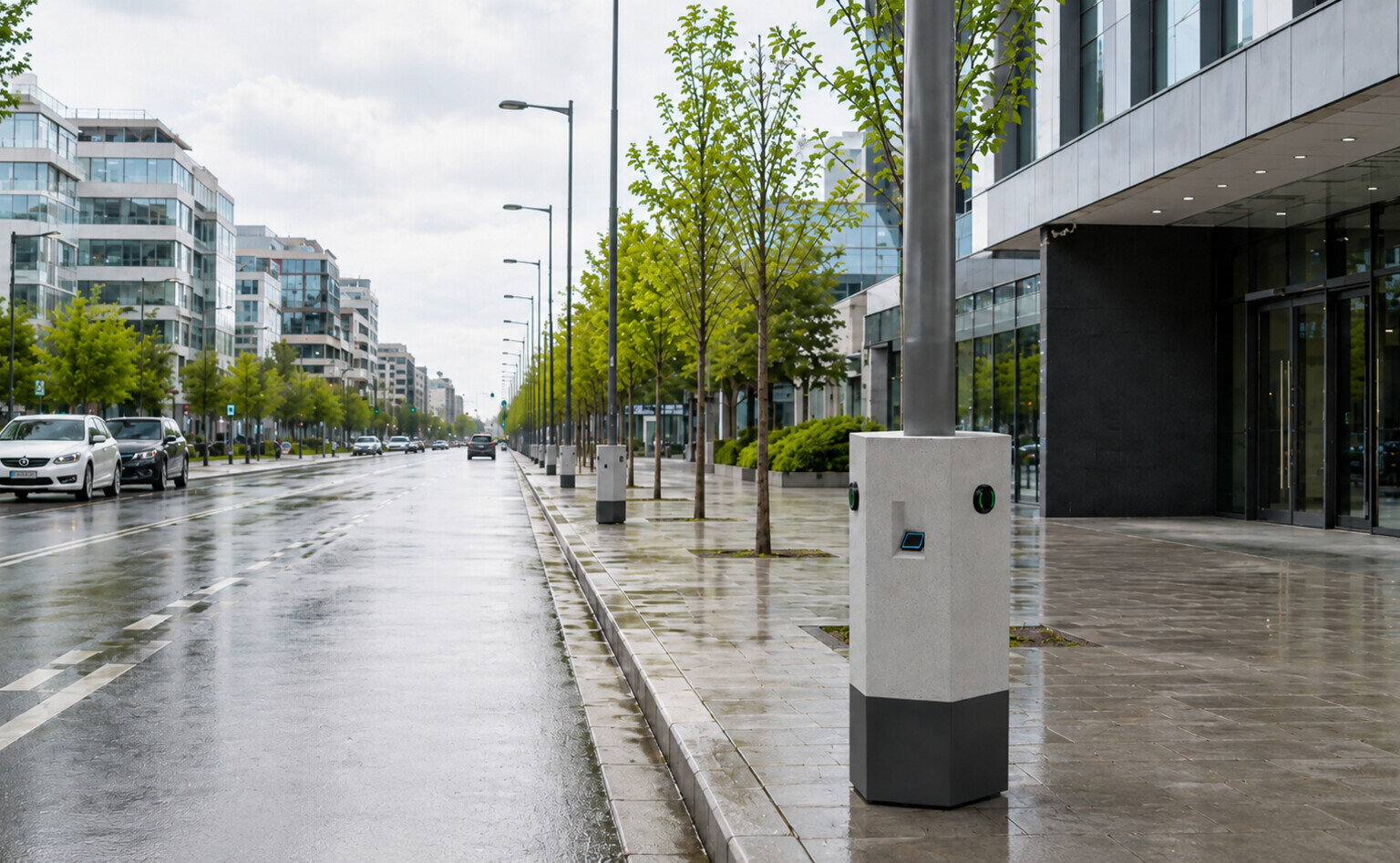
#VIAL
Product in development. Availability to be confirmed.
Yes, where the street light or pole is compatible: OSHTIA VIAL integrates two Type 2 charging points into existing supports, provided the support, electrical supply and site permits are assessed first.
2 charging pointsCharge two vehicles simultaneously
Urban scenarios
Publicly accessible points integrated into street furniture.
Infrastructure for municipal charging programmes.
Connected equipment across locations with a management backend.
Reuse of supports where technical assessment and authorisation allow.
Site assessment
Public-street charging does not depend on the charger alone: the support, the electrical supply and the permits decide whether a location is viable. The council or site owner defines the context, and the technical assessment confirms the fit with existing infrastructure.
OSHTIA VIAL proposes two Type 2 points integrated into compatible street lights or poles. The support must be structurally and electrically validated before a location is confirmed, and the site must offer access and maintenance conditions. Compatibility with any support is not assumed and no rollout date is promised.
The project must confirm voltage, available power and the nearest supply point; maximum configured power is not guaranteed power at every site. Existing inspection chambers and conduits can be reused where their assessment allows it, although that does not by itself demonstrate a specific reduction in works or cost: route, accessibility and intervention needs must be reviewed.
Connectivity must be reviewed together with the operating model. 4G coverage or Ethernet access is checked where remote management or a payment terminal is needed. Users, tariffs, history and alerts depend on AITHANEX or the selected compatible backend, and payment or integration with municipal systems is subject to third parties, contracts, compatibility and configuration.
Urban integration
VIAL can use existing street lights, poles, inspection chambers and conduits to install the charging point.
Assessed and authorised infrastructure
Configuration defined for the project
Operation by backend and integrations
Internal view
Accessible compartments for maintenance.
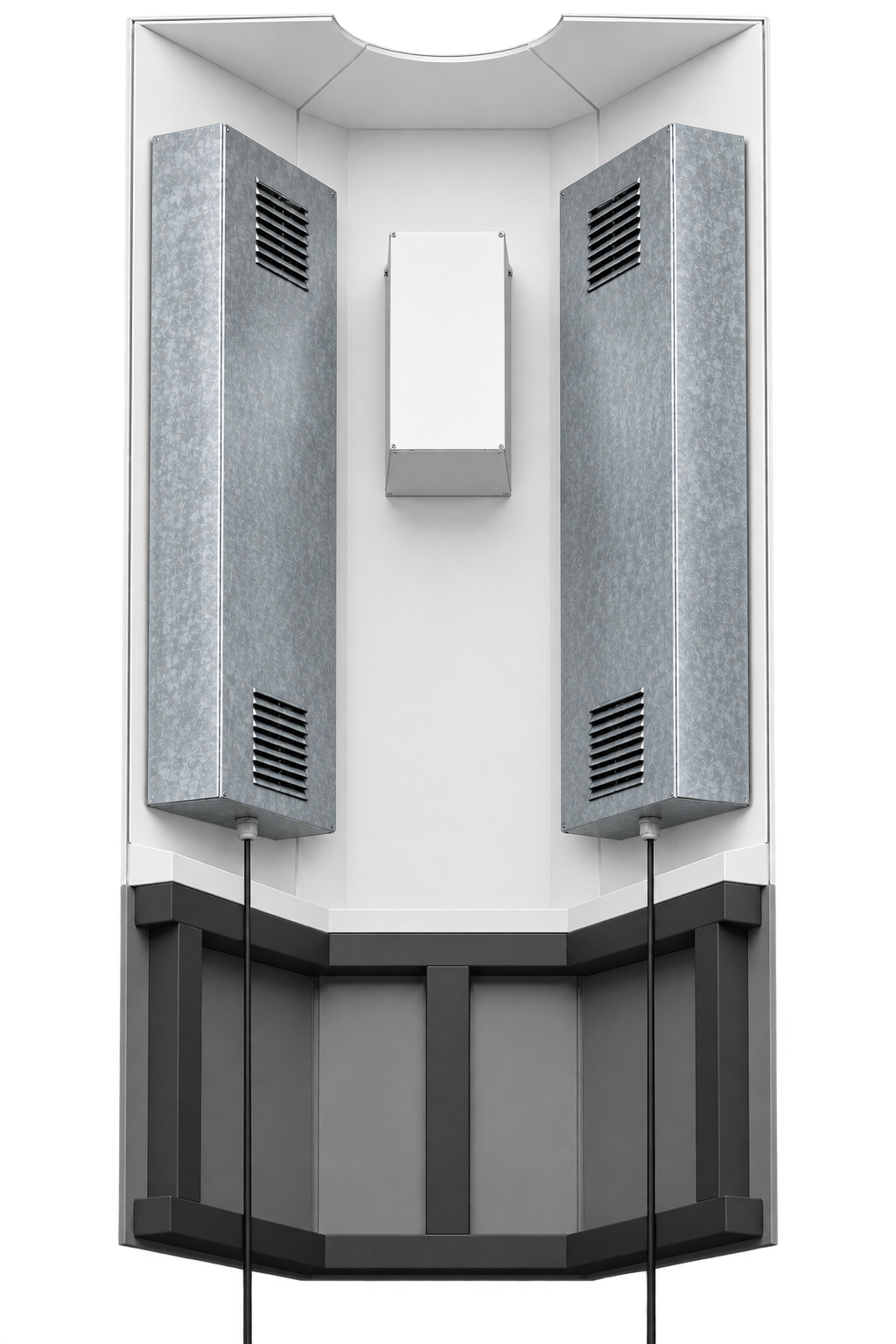
Electronics and internal protection arranged for maintenance.
Terminal and integration by provider and project scope.
4G, Wi-Fi or Ethernet depending on supplied configuration.
Access to inspection and service components.
When the project includes a payment terminal, each unit can charge on its own, without relying on a separate app or RFID card. Provider and scope are defined per project.
Card stripe and physical card reading
Contactless card or mobile
Charging connectors
Each side includes a charging connector. The light ring shows its status.

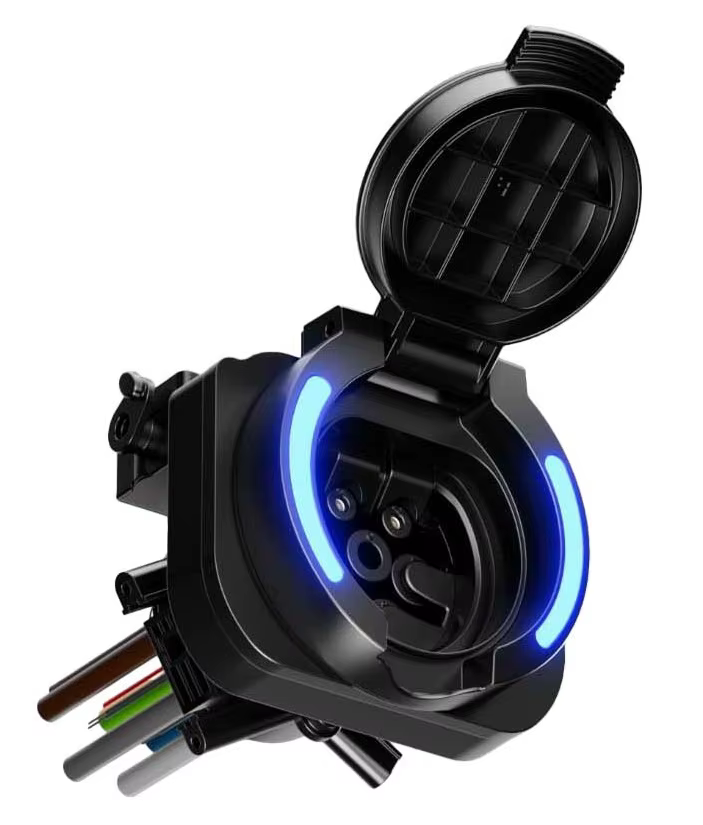
Review the scope of OCPP and the management server.
Two Type 2 outlets, metering, signalling, connectivity and local control included by configuration.
OCPP communicates status, commands and sessions to a backend; scope on the OCPP page.
AITHANEX or a compatible backend provides users, tariffs, history, alerts and remote operation.
Payment, charging networks and municipal systems depend on third parties, compatibility, contracts and configuration.
Maximum configured power; available power depends on supply and project.
Simultaneous charging subject to available power.
Local status indication for each point.
Option subject to metering architecture and configuration.
Available in configurations intended for billing.
Communication with a compatible backend; scope on the OCPP page.
Connectivity by supplied configuration.
Local setup and service when enabled.
Dependent on connectivity and platform.
Painted galvanised steel.
Declared protection for internal compartments.
Access for maintenance and inspection.
Typical electrical installation.
Standards
Applicable design references; conformity is confirmed per configuration:
Installation
OSHTIA supplies the equipment and its documentation. Electrical design, civil works, permits and commissioning remain the responsibility of the council, authority or appointed installation company.
We review the support, available power, connectivity and operating model before proposing a rollout.